Paver sealing cost in NYC is one of the first questions homeowners ask when they want to protect a patio, driveway, walkway, or outdoor paver surface. Some people seal their pavers every few years, while others never do it and still feel their space looks fine. The real answer depends on the condition of the pavers, how the surface is used, and whether sealing will actually protect your investment.
Some people seal their pavers every few years without giving it much thought. Others never seal them at all and still feel their patio or driveway looks fine. Then some homeowners pay for sealing simply because someone told them every paver surface needs it.
The truth sits somewhere in the middle.
Paver sealing is not a requirement, but in the right situation, it can protect your investment and save you money over time. The key is knowing when it actually adds value and when your pavers do not really need it.
What Does Paver Sealing Actually Do?
A sealer does not make your pavers indestructible.
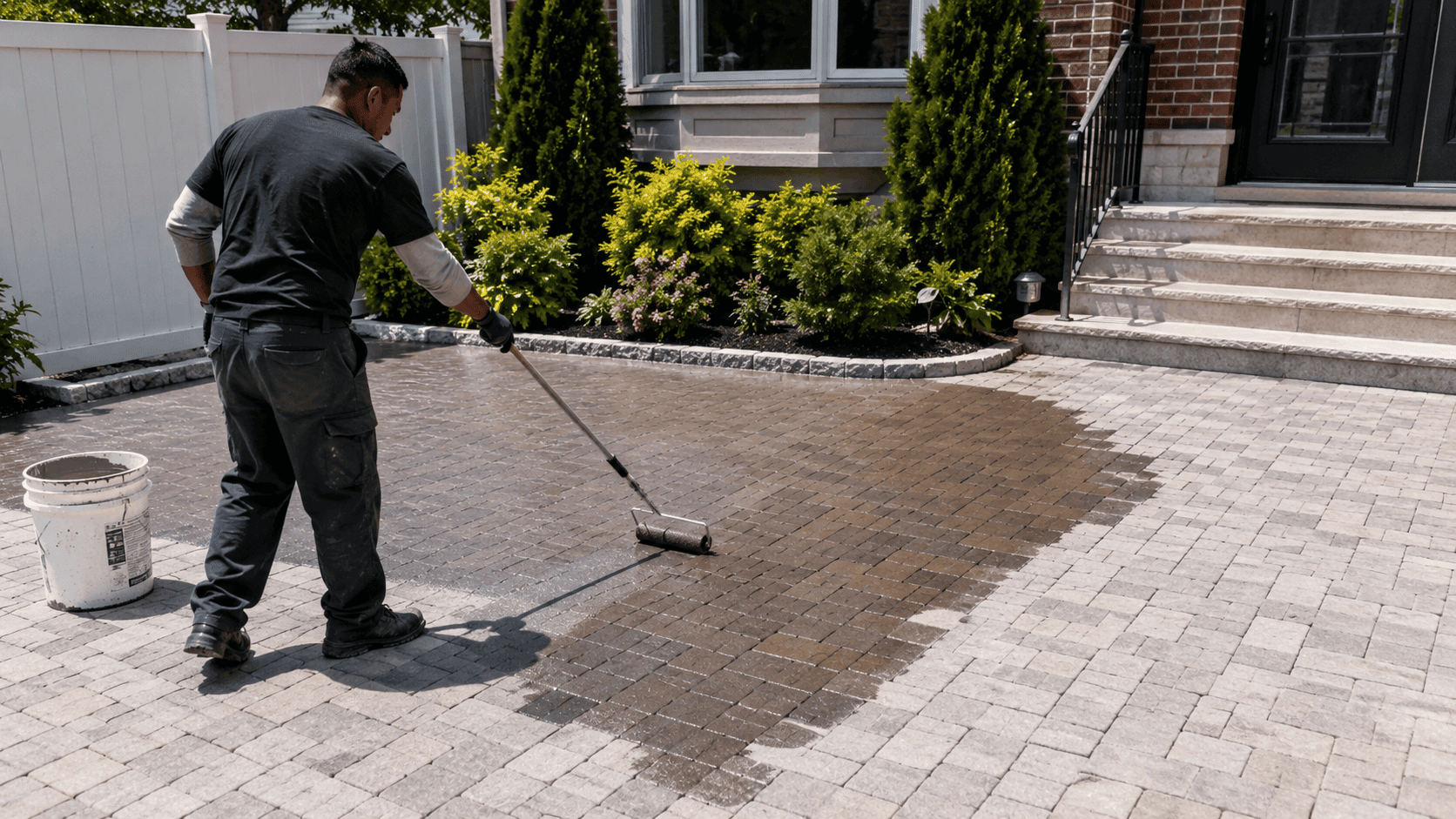
Instead, it creates a protective layer over the surface and helps reduce everyday wear. Depending on the type of sealer, it can also deepen the color of the pavers or leave them with a more natural look.
Many homeowners choose to seal their pavers because it can help:
Slow down fading from sunlight.
Make oil and food stains easier to clean.
Reduce how much water soaks into the surface.
Help stabilize the joint sand between pavers.
Make routine cleaning a little easier.
It will not stop every stain or prevent every repair. However, it does give the surface an extra layer of protection against normal use.
Why Sealing Is Not Necessary for Every Paver
One of the biggest misconceptions is that every new paver installation needs sealing immediately.
That is not always true.
Quality concrete pavers can handle weather without depending on a sealer. Many patios and walkways perform well for years without one.
Whether sealing makes sense often depends on how you use the space.
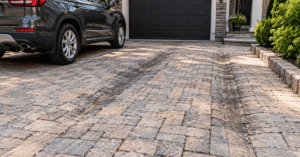
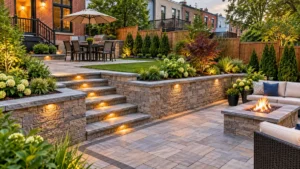
A quiet backyard sitting area faces very different conditions than a driveway with daily vehicle traffic. An outdoor kitchen with food and drinks also needs more protection than a simple garden path.
The more wear a surface gets, the more useful a sealer can become.
What Usually Affects the Cost?
There is no single standard price for sealing pavers in NYC. Paver sealing cost in NYC can change based on surface size, cleaning needs, joint sand condition, stains, access, and the type of sealer used.
Every project has different needs.
Several factors influence the overall cost, including:
The total size of the area.
The condition of the pavers.
Whether the surface needs pressure washing first.
Whether weeds, moss, or old joint sand need removal.
The type of sealer used.
How easy the area is to access.
A clean patio in good condition usually needs less preparation than an older driveway covered with stains and weeds.
That is why two projects with similar square footage can receive very different estimates.
Sometimes the Preparation Costs More Than the Sealing
This surprises many homeowners.
Applying the sealer usually takes less effort than preparing the surface.
Proper preparation often takes much longer. Contractors may need to remove dirt, algae, grease, weeds, moss, and loose joint sand before they apply the sealer.
If those problems remain, the sealer may not bond evenly. As a result, the finished surface may not last as long.
That is why reputable contractors clean the surface, let it dry completely, and handle necessary repairs before sealing begins.
Skipping those steps may lower the price, but it usually lowers the quality too.
When Paying for Sealing Makes Sense
Not every paver surface needs sealing.
However, some situations make sealing a smart investment.
Sealing is often worth considering if:
Your driveway gets regular vehicle traffic.
You recently invested in a new paver installation.
Your pavers have decorative colors you want to preserve.
Your outdoor cooking area faces grease and food spills.
You want routine maintenance to feel easier.
In these situations, sealing can help keep the surface looking newer for longer.
When It May Not Be Worth It
Sometimes homeowners should wait before paying for sealing.
For example, sealing should not come first if:
The pavers feel loose or uneven.
Water collects on the surface after rain.
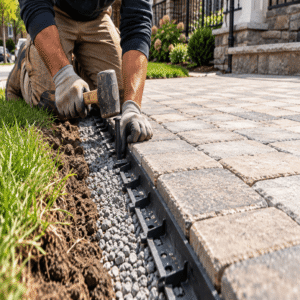
The base underneath needs repair.
Large sections have settled.
Drainage problems still need correction.
A sealer will not fix those issues.
It is similar to painting a fence with loose boards. The appearance improves for a while, but the real problem remains.
Repairs should always come before cosmetic protection.
How Long Does Paver Sealing Last?
Almost every homeowner asks how often they need to reseal pavers.
There is no single answer.
A lightly used backyard patio may hold its finish for several years. A busy driveway faces traffic, snow removal, road salt, and New York weather, so it may need attention sooner.
The lifespan depends less on the calendar and more on how people use the surface every day.
When water no longer beads on the surface or the color looks noticeably dull, it may be time to consider resealing.
NYC Weather Plays a Bigger Role Than Many People Think
Pavers in New York deal with more than sunshine and rain.
They face freezing winters, humid summers, heavy storms, road salt, snow shovels, falling leaves, and constant temperature changes.
Those conditions slowly wear down almost any outdoor surface.
Sealing cannot stop aging completely. However, it can reduce the effects of everyday exposure and help decorative pavers keep their appearance longer.
Think Beyond the Price Tag
It is easy to focus only on what sealing costs today.
A better question is what it may help you avoid tomorrow.
If sealing helps reduce staining, slow fading, protect the surface from moisture, and make regular cleaning easier, many homeowners consider it money well spent.
On the other hand, if the pavers already need structural repairs, sealing can wait until those issues get fixed.
The right timing matters just as much as the sealer itself.
A Good Contractor Will Tell You If You Do Not Need It
One of the easiest ways to judge a contractor is by the advice they give.
If a contractor tells every customer they need sealing immediately, regardless of paver condition, you should question that recommendation.
A trustworthy contractor will first check the age of the installation, joint condition, drainage, traffic, and overall wear before recommending sealing. NY Pavers can explain paver sealing cost in NYC after inspecting the surface, checking the joints, and confirming whether sealing makes sense for your property.
At NY Pavers, we believe sealing should solve a problem or protect an investment, not simply add another service to the invoice. If your pavers are ready for sealing, we will explain why. If repairs should come first or your pavers do not need sealing yet, we will tell you that too. That is how long-term results are built.