Let’s be real: choosing the right exterior materials for NYC homes isn’t optional — it’s survival. New York City is an absolute beast when it comes to your home’s exterior. We’re talking brutal freeze-thaw cycles in winter, humidity that sticks all summer, nonstop street grit, and air that’s uniquely New York.
If you’re spending money on an exterior reno, whether it’s a brownstone, a townhouse, or a co-op, you can’t afford to pick materials that look great for two years and then start peeling, cracking, or crumbling. That’s why exterior materials for NYC homes must be selected for strength, stability, and proven longevity — not just looks.
The smartest money you’ll ever spend is on materials that can take a beating and still look fantastic decades from now. Here are the true heavy hitters that actually survive the NYC grind.
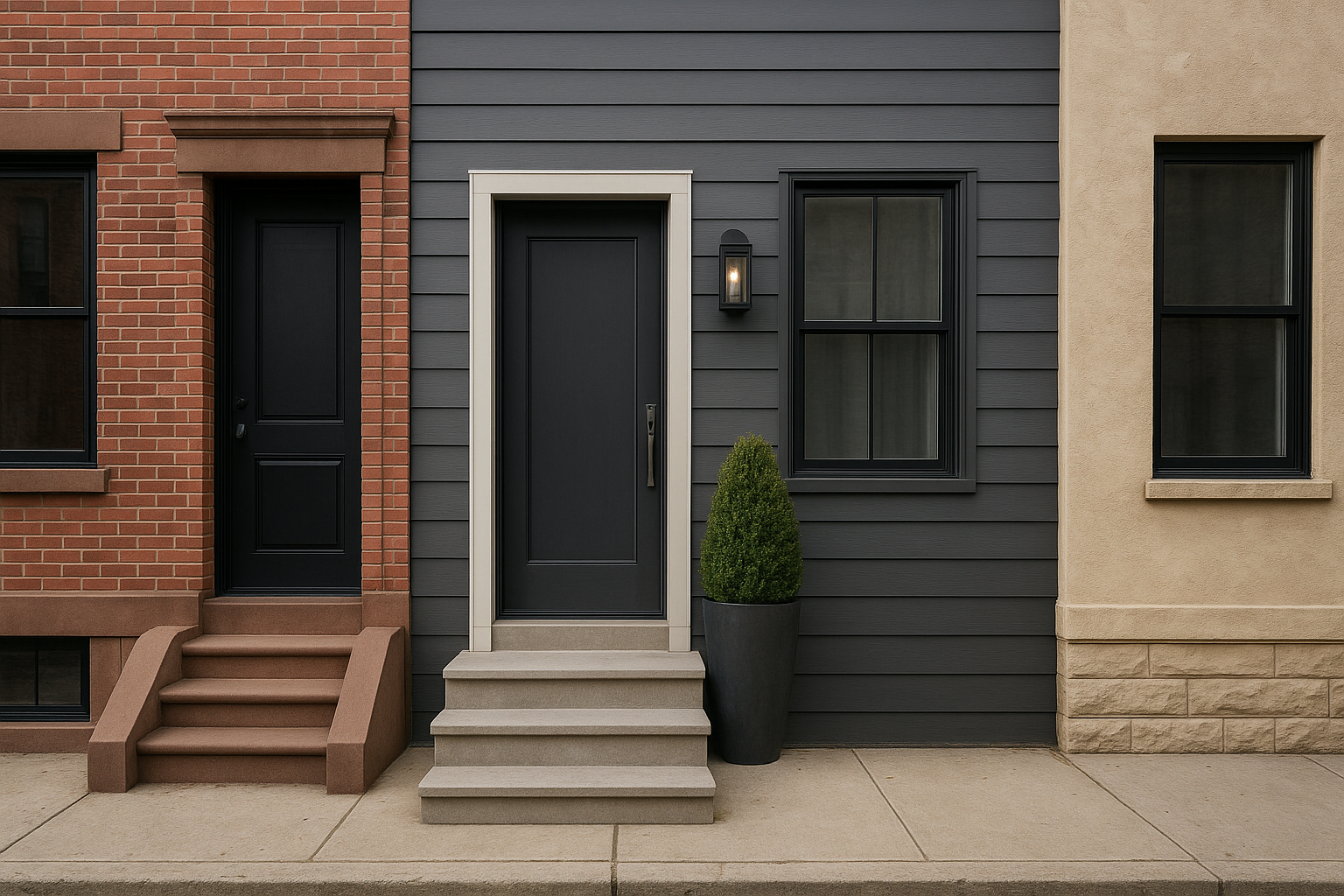
Brick: The Original Heavyweight Champion
There’s a reason half the city is built from it. Brick is the classic NYC exterior, and it’s not just charm, it’s sheer toughness.
- Why it works: It’s fireproof, handles temperature swings better than almost anything, and is naturally insulating. Once it’s up, it’s virtually maintenance-free.
- The fine print: The mortar joints are the only weak spot. Get a good contractor to perform routine repointing (fixing the mortar), and your brick facade will outlive you.
Fiber Cement Siding: Wood’s Indestructible Cousin
You love the look of clean, wide wood planks on a modern townhouse, but you know real wood will rot out in five years in this climate. That’s where fiber cement comes in.
- Why it works: It’s made of cement, sand, and cellulose fibers. It gives you the sleek, sophisticated look of wood but laughs at rot, pests, salt, and humidity.
- The fine print: It’s heavy and needs skilled installation, but once it’s painted and sealed, it holds its look against the harshest elements better than almost any other siding.
Stucco: Seamless Protection That Saves You Cash
Stucco gets a bad rap sometimes, but when a pro installs it right, it forms an incredible, rock-hard seal over your home.
- Why it works: It’s seamless, which is great for moisture protection (if installed with proper drainage!). It also provides fantastic, dense insulation, which is a big deal when those heating bills roll in.
- The fine print: Installation must be perfect. In a wet climate like ours, an installer needs to be meticulous about flashing and waterproofing to ensure water doesn’t get trapped inside.
Stone Veneer: Luxury That Lasts Forever
Whether you spring for real stone or a high-quality manufactured veneer, this material adds serious curb appeal and serious durability.
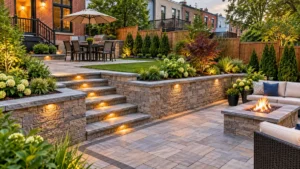
- Why it works: Stone doesn’t warp, rot, or fade. It stands up to accidental impact (think delivery guys bumping the entrance) and huge temperature swings without issue. It’s fantastic for foundation skirts or dramatic entrance walls.
- The fine print: It’s an investment, but it instantly adds a bespoke, high-end feel that pays dividends in longevity.
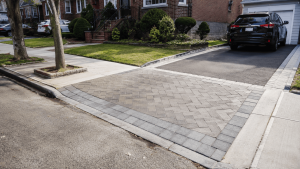
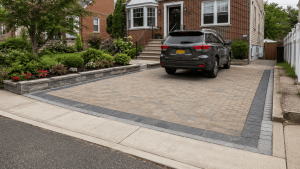
Concrete: The Unsung Hero of the Hardscape
Concrete isn’t just for skyscrapers. It’s the ultimate urban warrior for ground-level surfaces.
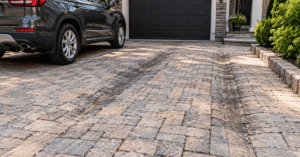
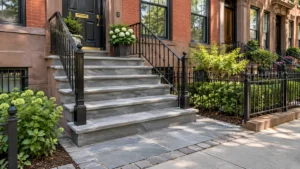
- Why it works: Nothing is stronger for walkways, patios, steps, or stoops. When properly sealed, modern concrete resists staining, freeze-thaw cracking, and the constant abuse of city life (salt, heavy gear, etc.).
- The fine print: Talk to your contractor about decorative options. Stamped, colored, or highly polished concrete looks miles better than plain gray and adds style without sacrificing strength.
Metal Panels: The Sleek, Unbeatable Shield
Popular in modern buildings, metal cladding (aluminum or steel panels) is for homeowners who want a contemporary look that performs like a tank.
- Why it works: It’s non-combustible, extremely light, and offers the best corrosion and rust resistance, especially vital if you’re near the water or a busy highway. It gives you a clean, futuristic look that requires zero maintenance.
- The fine print: The upfront cost is high, but the lifespan and performance are unmatched.
Vinyl Siding: The Practical Budget Pick
Yes, you can still use vinyl in NYC, it’s cheap, it’s fast, and it works.
- Why it works: It’s low-cost, shrugs off moisture, and never needs painting. For homeowners on a budget or working with rental properties, it’s a practical, no-fuss solution.
- The fine print: You need to invest in the better, thicker vinyl that has foam insulation backing. The super-cheap stuff looks flimsy and can dent easily in a high-traffic urban setting.
Engineered Wood: Natural Look, Urban Toughness
If your heart is set on the warmth of wood, but you know the city will destroy it, engineered wood siding is the compromise.
- Why it works: It uses wood fiber treated with resins and binders, making it highly resistant to rot, mold, termites, and the humidity that turns natural wood into kindling.
- The fine print: It still requires painting, but the underlying material is vastly more stable and durable than traditional clapboard.
The Final Reality Check: You Need Material that Fights Back
In New York, your exterior materials don’t just sit there looking pretty, they need to be in a constant battle against the elements: freezing, humidity, salt air, and pollution. Ultimately, investing in the right exterior materials for NYC homes is the smartest way to protect your property from decades of punishment.
When you choose a material like brick, fiber cement, stucco, or metal, you’re investing in protection that genuinely lasts decades. Building with longevity in mind is, hands down, the smartest investment you can make in this relentless city.