New York Pavers installs and replaces backyard paving across all five NYC boroughs. We plan the paving around how you use your yard, with room for seating, clear walking paths, and drainage suited to the site.
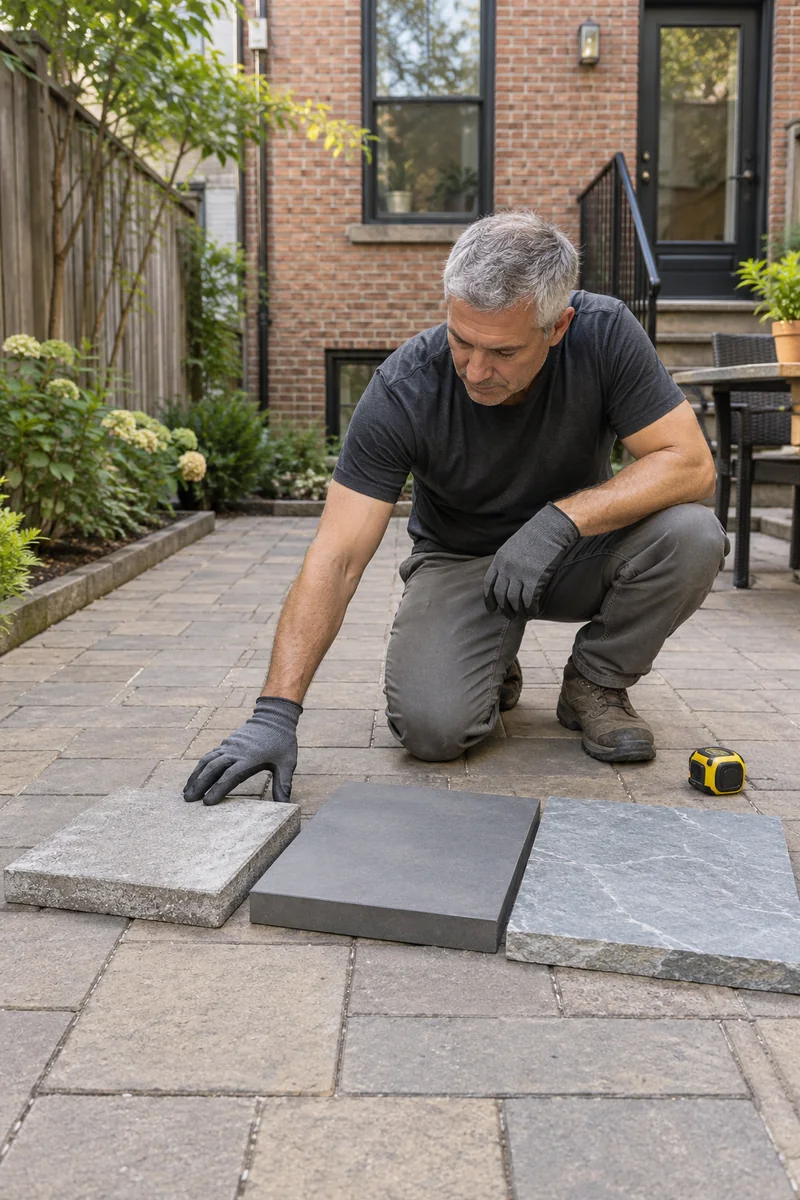
We look at how people move between the rear door, steps, seating and storage. Gate swings, basement access and equipment that needs servicing should remain usable after the paving is installed.
Sunken pavers, muddy patches and puddles can point to different problems. We assess the visible conditions and discuss any further checks needed before deciding what to remove, retain or rebuild.
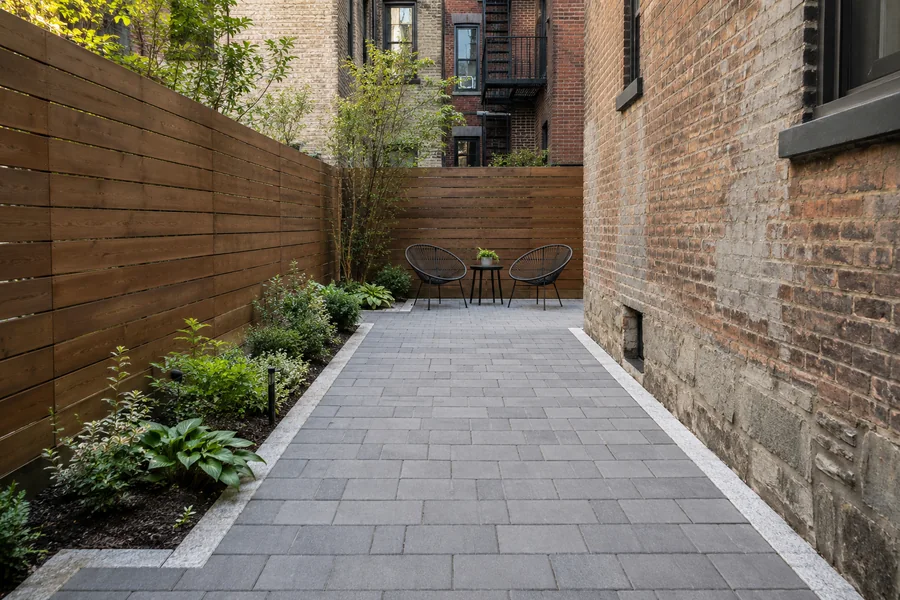
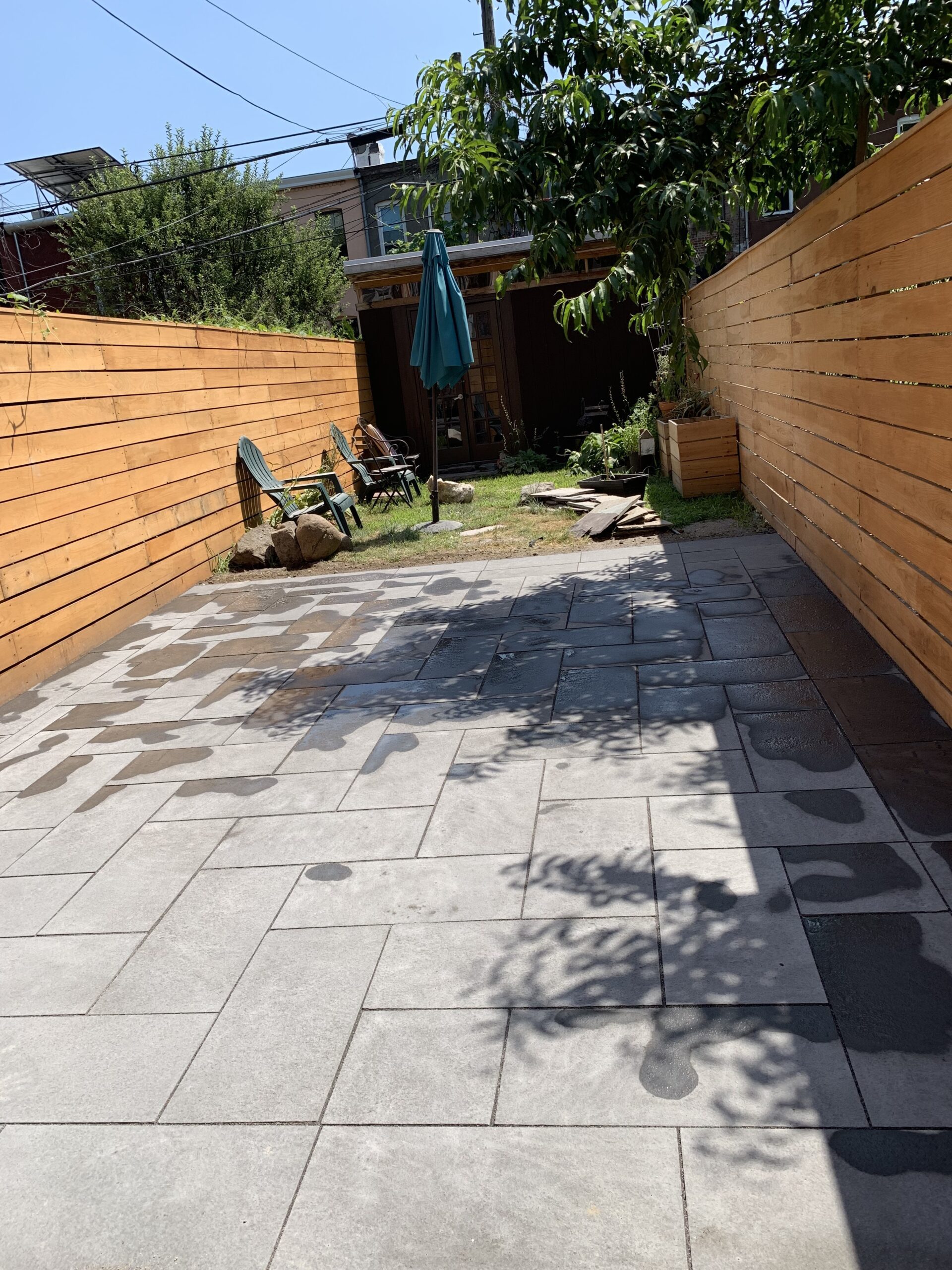
Make a narrow or irregular rear yard easier to use with a layout suited to its dimensions. We consider paver size, cutting patterns and the route from the back door so the paving does not leave awkward corners or squeeze the areas you need to reach.
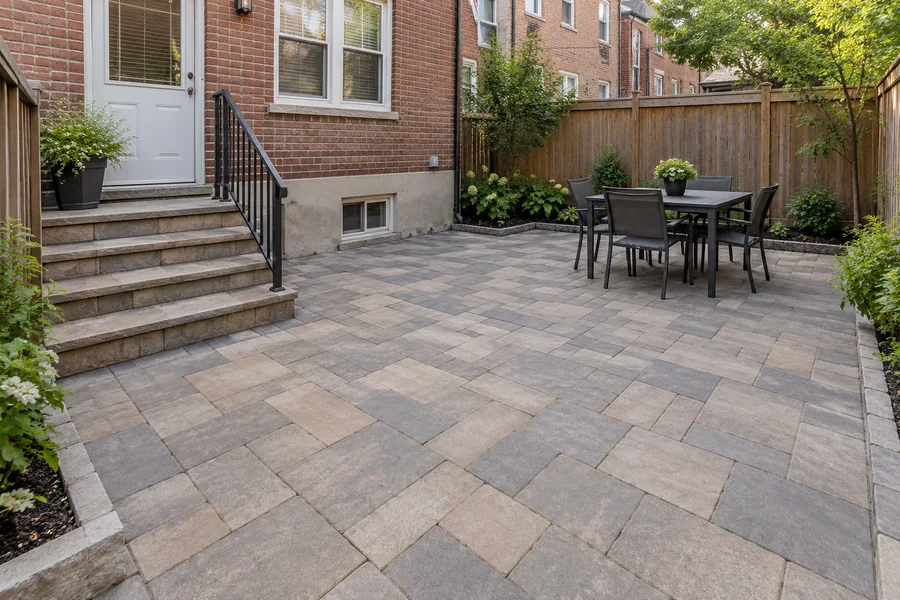
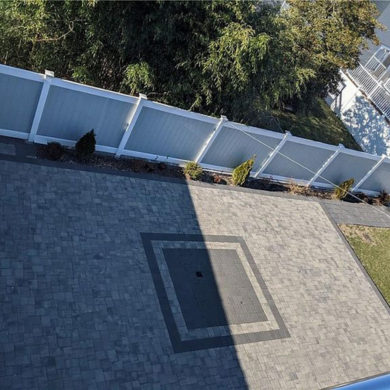
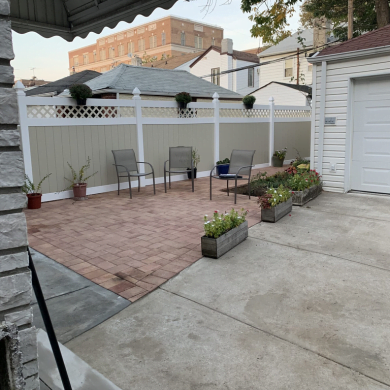
Create a paved area sized for the furniture you intend to use. We allow for chairs moving away from the table and people passing around them, then coordinate the surface with nearby steps, planting and the rest of the yard.
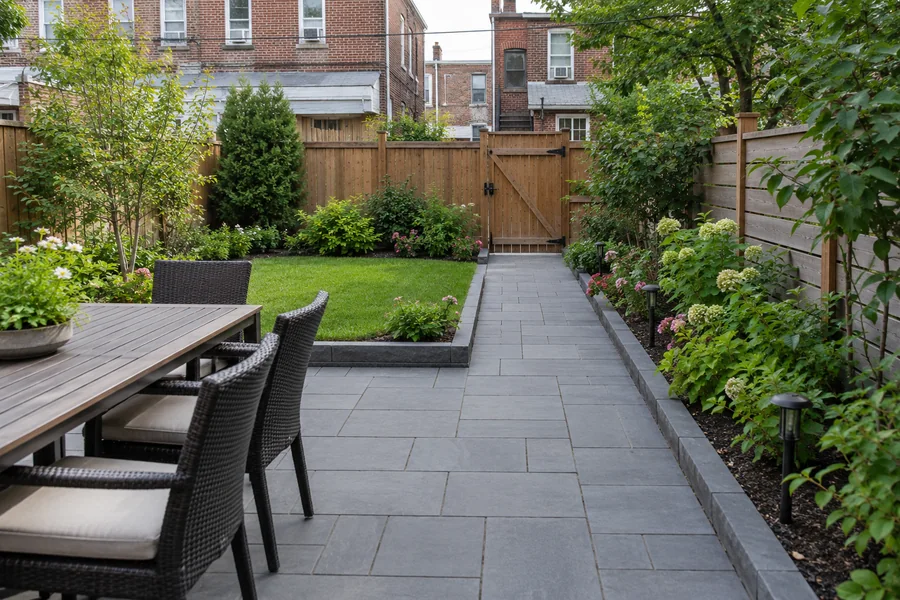
Connect seating areas, garden beds and rear or side gates with continuous paved routes. The path layout considers daily foot traffic, clearances and transitions between surfaces, rather than leaving the route as an afterthought around the patio furniture.
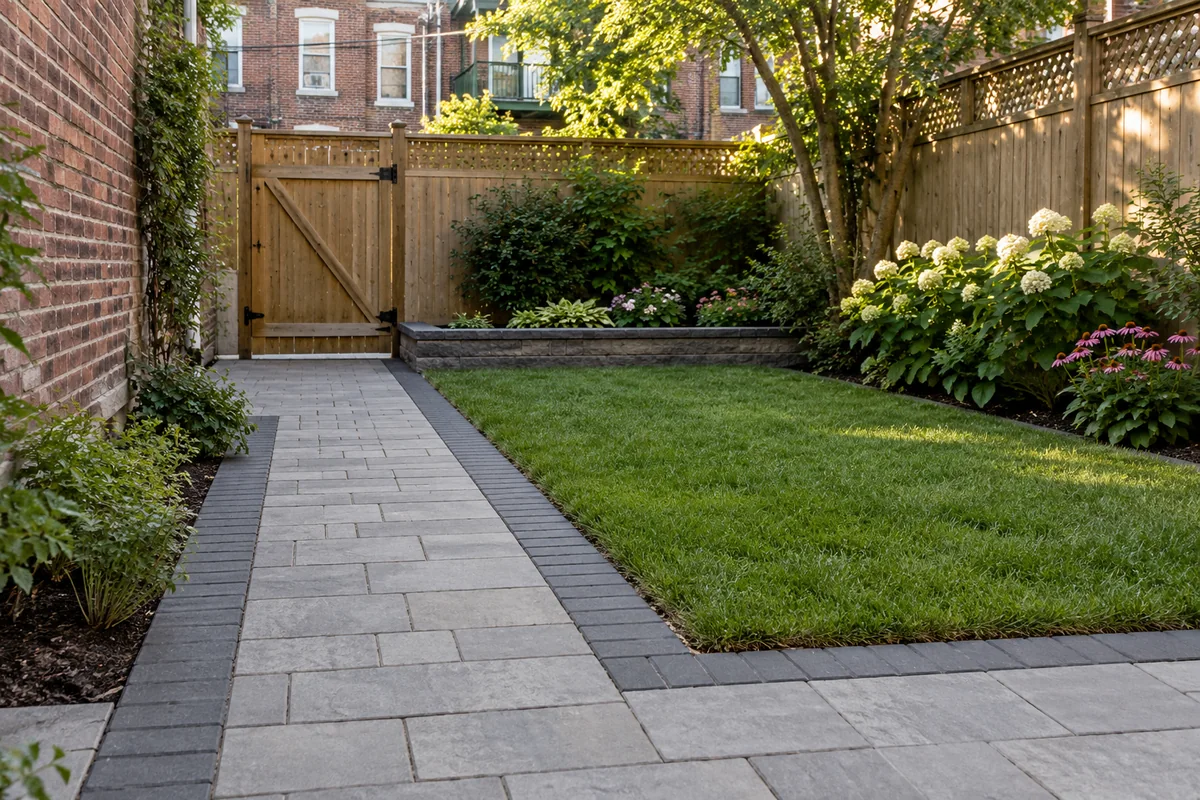
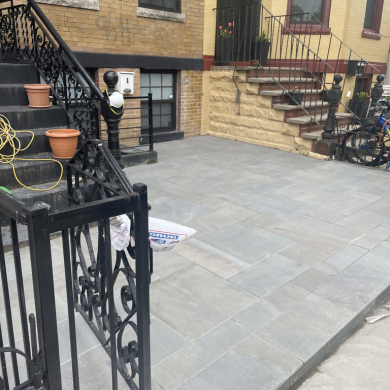
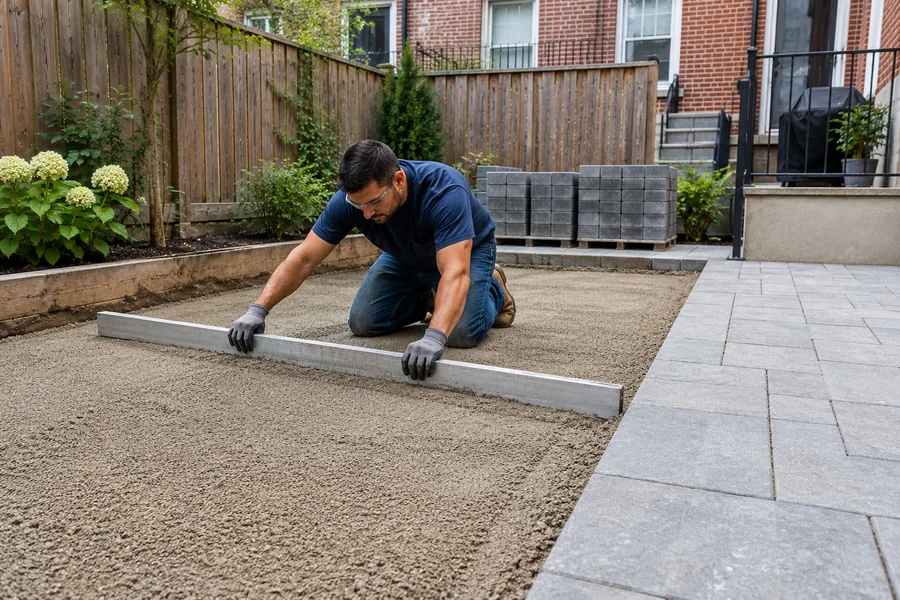
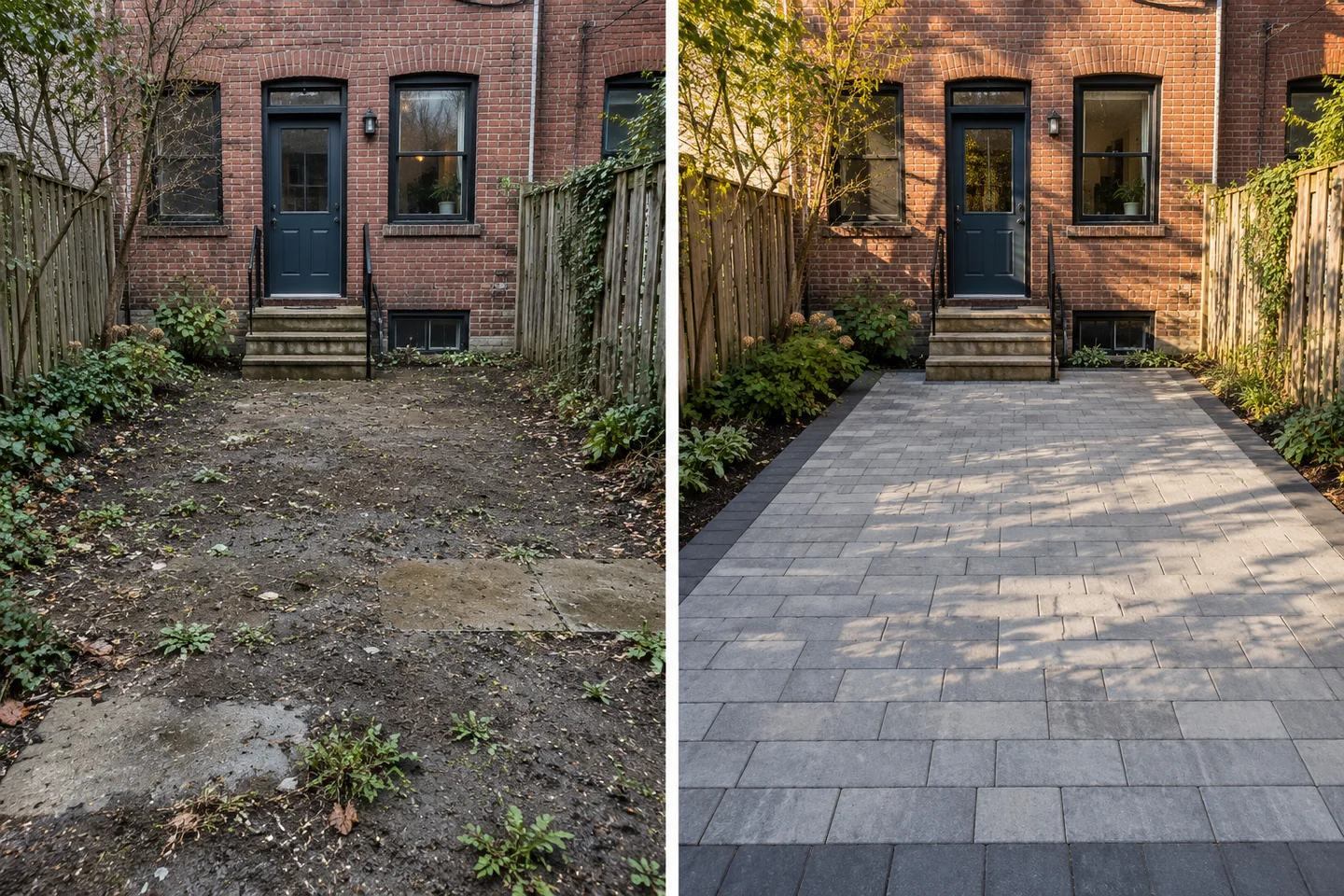
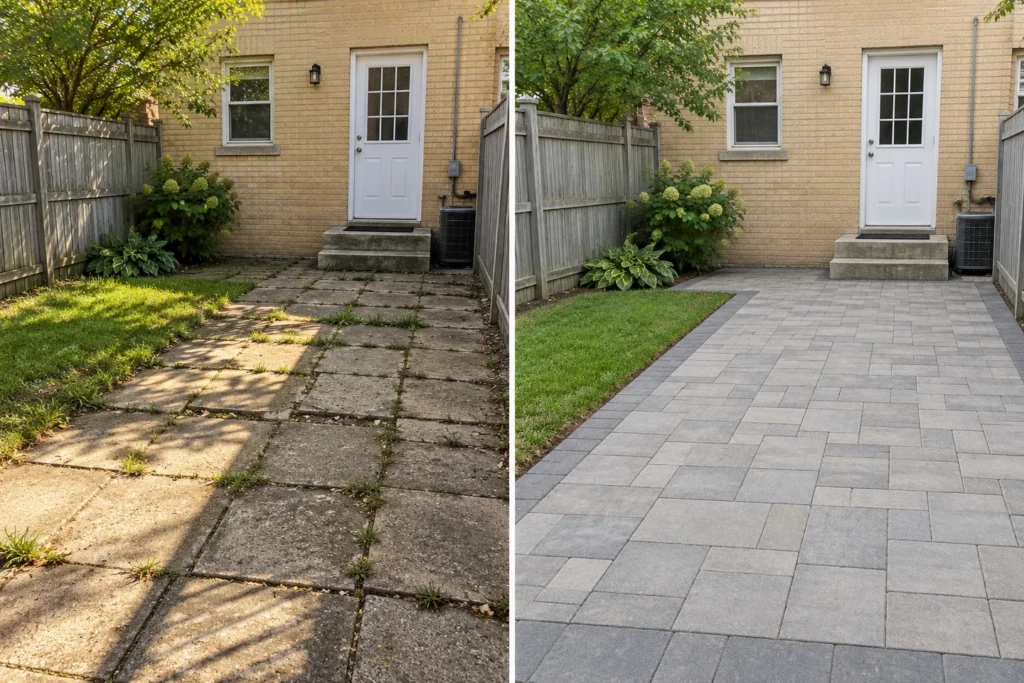
Replace worn, uneven or unsuitable paving with a surface that fits the current use of the yard. We assess whether existing units can be reused and whether the support below them needs rebuilding. New paving should not simply hide an unresolved base or drainage problem.


 Trustindex verifies that the original source of the review is Google.
 Trustindex verifies that the original source of the review is Google.
 Trustindex verifies that the original source of the review is Google.
 Trustindex verifies that the original source of the review is Google.
 Trustindex verifies that the original source of the review is Google.
 Trustindex verifies that the original source of the review is Google.
 Trustindex verifies that the original source of the review is Google.
 Trustindex verifies that the original source of the review is Google.
 Trustindex verifies that the original source of the review is Google.


 Verified
 Verified
 Verified
 Verified
 Verified
 Verified
 Verified
 VerifiedVerified
 Verified
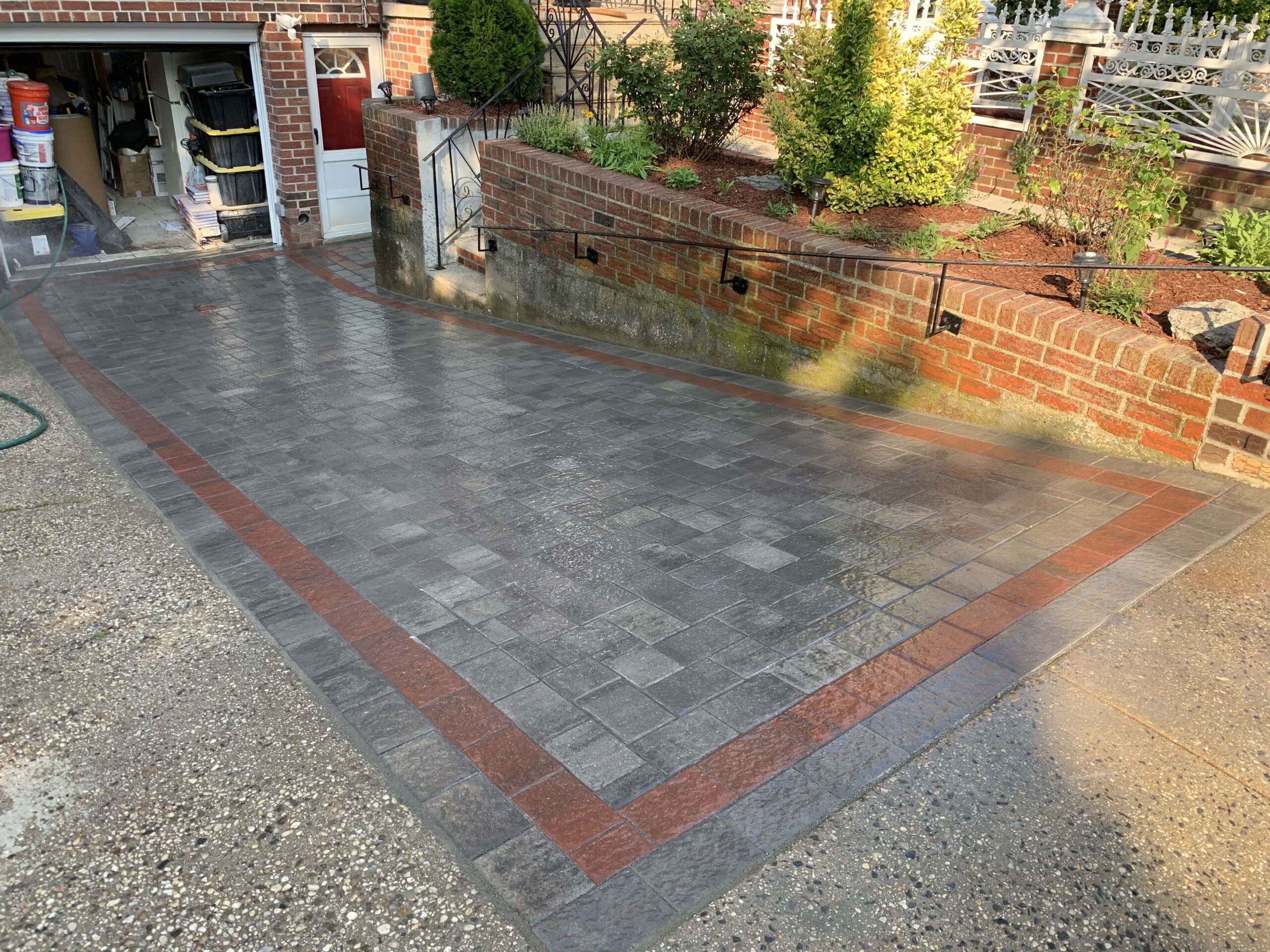
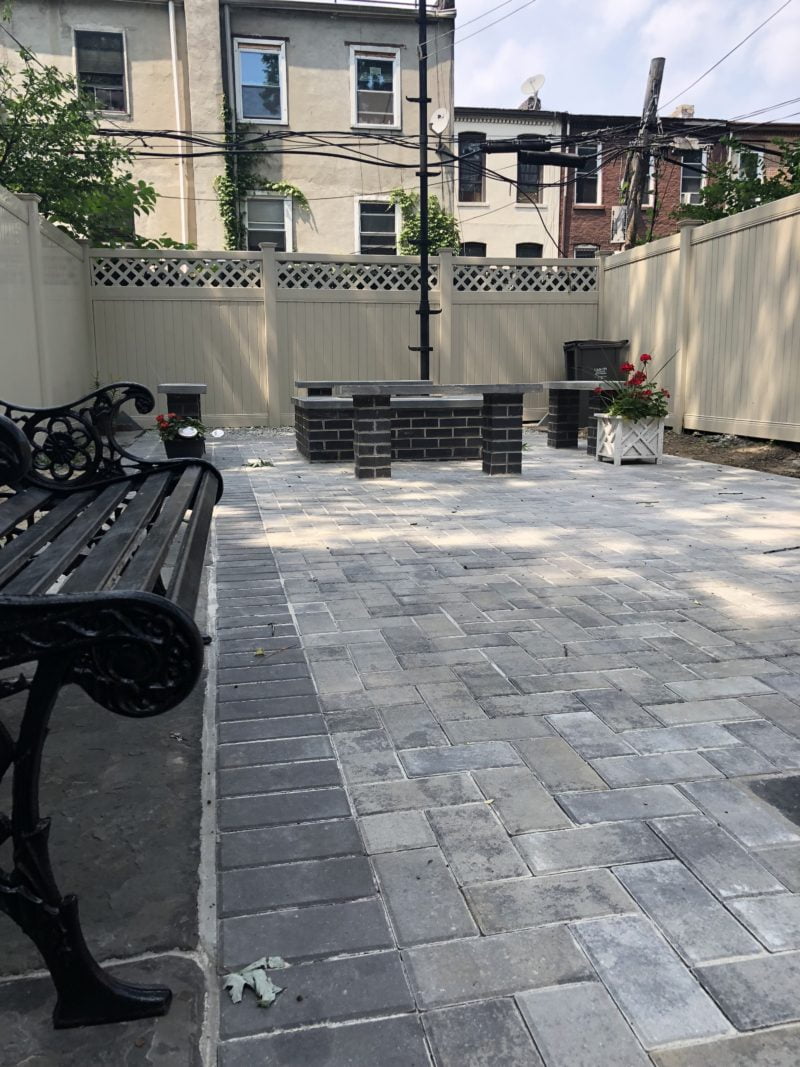
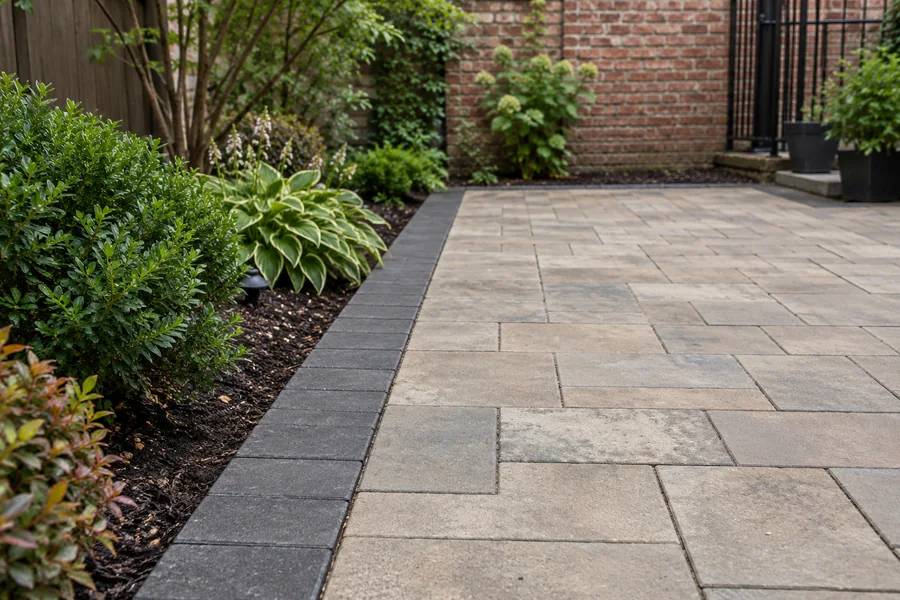
Explore different ways to arrange paving within an enclosed NYC yard, from compact courtyards to paths beside planting beds. Surface texture, borders and connections all contribute to how the space works.
Call (718) 838-0982 or request a free estimate online. Send the ZIP code, a few photos and approximate dimensions if you have them. Tell us how you use the yard, which areas should stay planted and how materials can reach the back of the property.
We inspect the existing surface, access route, visible ground conditions and levels around doors, steps and drains. Trees, adjoining property and any concerns about water are included in the discussion.
Review material options, paved boundaries, preparation, edge details and the estimate. We clarify applicable approvals, removal, delivery arrangements and any separate drainage or other work before scheduling.
We carry out the agreed preparation and paving, then review the completed surface and connections with you. You receive guidance on cleaning, joint care and when the new paving can be used.
More than two decades of experience with natural stone installation, repair, resetting, patios, walkways, steps and exterior stonework across NYC properties.
Professional natural stone work backed by proper coverage, careful material selection and an experienced team focused on dependable installation and restoration.
We serve all five NYC boroughs. We check access, drainage, and the condition of existing paving before planning your backyard project.
Got questions? We’ve got answers.
Many small yards can be paved, but the access route needs to be assessed. Gate widths, stairs, interior passageways and material storage can affect the method and schedule. Share photos of the route as well as the yard. We discuss how the work could be carried out and what needs protecting before confirming the arrangements.
The choice depends on the appearance, use, exposure and upkeep you want. Concrete pavers suit a wide range of patterns; exterior porcelain offers different surface finishes; bluestone and other natural stone vary in color and texture. Review samples and product suitability for outdoor use, including wet conditions. The installation system matters as much as the visible surface.
Not automatically. Pooling may be caused by low spots, unsuitable support, blocked drainage or water entering from elsewhere. Conventional paving still needs a suitable drainage plan. Permeable paving uses a designed combination of units, joints and layers beneath; its suitability depends on the soil, nearby foundations and water-management requirements. It is not a guarantee against flooding. Learn about permeable paving from NYC DEP.
Start with the areas you actually need for seating and movement. Retaining planting or lawn can be part of a practical layout. Trees, drainage, property conditions and applicable zoning or landmark requirements may affect the paved area. Avoid assuming that the rules for a front yard apply unchanged to a rear yard; the proposal should be checked for the specific property.
An overlay is only suitable in some circumstances. The existing surface must be assessed for condition, movement, drainage and the additional height at doors and steps. Covering cracked or unstable paving can leave the underlying problem in place. We discuss whether removal, selective reuse or a compatible overlay system makes sense before including it in the estimate.
Requirements depend on the property and scope. Some limited work may qualify as an ordinary repair, while excavation, structural work, retaining walls or changes involving drainage can require further review. Landmark properties may need LPC approval as well. A project being at the back of the building does not by itself make it exempt. Read NYC DOB permit guidance.
Share your ZIP code, photos of your yard, and what you’d like to change. Let us know about narrow access, existing paving, or spots where water collects.