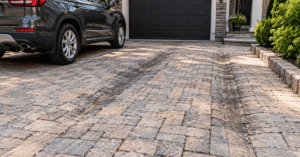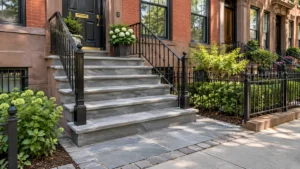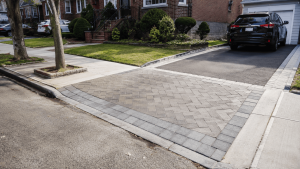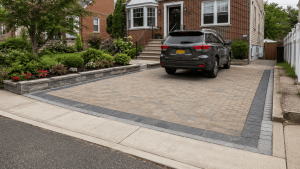
So, you’re finally ready to transform your outdoor space — maybe that cracked driveway or the uneven patio needs a serious upgrade. Great choice. Understanding the Brooklyn paver installation timeline helps you plan better and know exactly what to expect from start to finish. Pavers aren’t just stylish; they’re durable and ideal for Brooklyn’s unique weather and tight spaces. Let’s break down how long it takes, step by step.
The honest answer: it depends. But let me break down the typical timeline so you know what to expect and where the surprises usually pop up.
Step 1: The Planning Stage (1–2 weeks before the work starts)
Most folks don’t realize the job begins before the crew shows up. A contractor will usually:
- Measure the space and talk through design options.
- Help you pick materials that fit your budget and Brooklyn’s wild weather swings.
- Handle permits if they’re needed (in some neighborhoods, you’ll want them for driveways or drainage changes).
If you’re smart, you’ll lock this down early. Material deliveries in NYC can be a headache, so scheduling ahead saves time.
Step 2: Site Prep and Demolition (1–2 days)
This is the noisy part. Old concrete, asphalt, or grass has to go. In Brooklyn backyards, sometimes we find hidden surprises — old fill, tree roots, even buried bricks from a century ago. Clearing all that sets the stage for a strong foundation.
For a straightforward space, demo and prep might be a single day. If access is tight (say we’re hauling everything through a narrow side alley), tack on another day.
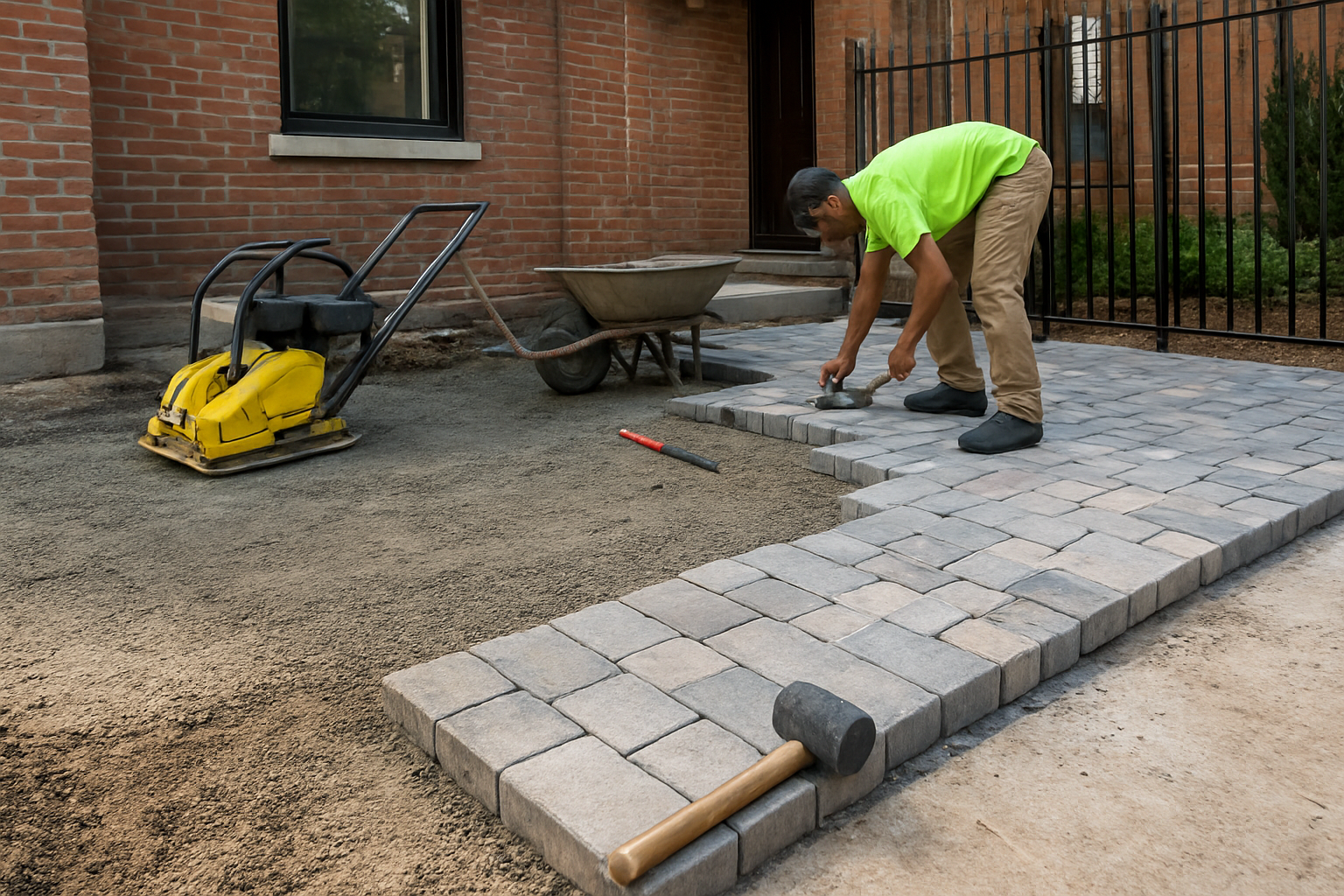
Step 3: Base Work (2–4 days)
This is where pros earn their keep. The base is what keeps your patio or driveway from sinking or shifting.
- First, we dig down to the proper depth.
- Then, we bring in layers of crushed stone, compacting each one.
- Finally, a layer of sand goes down to create the perfect bedding for the pavers.
Don’t rush this part. A solid base takes time, and it’s easily 50% of the job. A homeowner skipping this step is why so many DIY patios fail after one winter.
Step 4: Laying the Pavers (2–5 days)
Now the project starts to look real. Crews set the pavers in the pattern you chose. Straight lines are quick. More intricate layouts — herringbone, circular, mixed colors — take longer.
Driveways usually run slower than patios because of the heavier base requirements and the need for tighter fitting. Plus, Brooklyn blocks aren’t always flat. Sloping streets and uneven yards require grading to make sure water drains properly.
Step 5: Edging, Sanding, and Sealing (1–2 days)
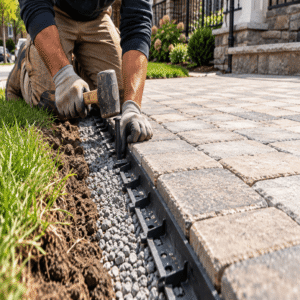
Once pavers are set, edges are secured so nothing shifts. Polymeric sand gets swept between joints, locking everything in place. Sealing is optional but smart — it keeps stains, weeds, and weather from ruining the surface.
Cleanup also happens here. A good crew won’t leave you with piles of leftover sand or cut stone lying around.
Step 6: The Final Walkthrough (same day)
Most contractors will do a walkaround with you to check the work. Any uneven joints or small fixes get handled on the spot. If you’re happy, that’s the official finish line.
So, what’s the total timeline?
Here’s the usual breakdown for Brooklyn jobs:
- Small patio (under 200 sq ft): about a week start to finish.
- Medium patio or small driveway: 1–2 weeks.
- Large driveway or complex design: 2–3 weeks, sometimes longer if weather delays or access issues crop up.
Factors that can stretch the schedule
- Weather: Rain can stop base work cold.
- Access: Tight Brooklyn lots mean more hand-carrying and slower progress.
- Custom features: Steps, walls, lighting — they add days.
- Material delays: If you’re ordering special pavers, expect shipping hiccups.
Bottom Line
If you’re scheduling a paver installation in Brooklyn, expect a total project time of one to three weeks, depending on complexity. The key to keeping your Brooklyn paver installation timeline on track? Planning ahead, choosing materials early, and working with an experienced contractor who values both speed and precision.
When done right, your new patio or driveway will look beautiful and last for decades.
In the end, a good contractor won’t rush, but they also won’t drag their feet. Done right, the job will be quick enough to keep life moving, but careful enough to last for decades.